Bimecc
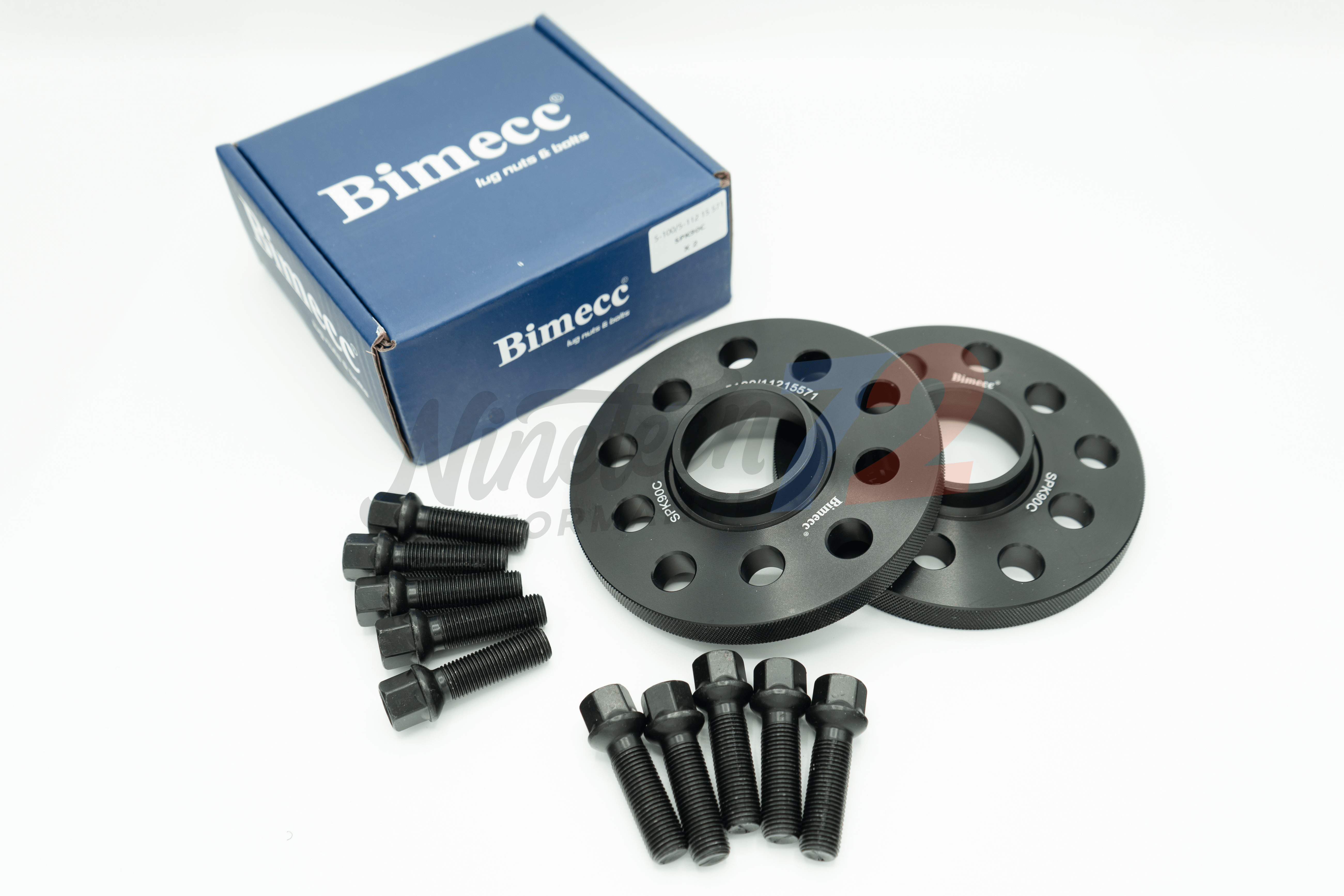
Bimecc is a trusted name in wheel fitment hardware, offering high-quality wheel spacers, stud conversion kits, wheel bolts, nuts and locking hardware for road, fast road and track-focused vehicles. Whether you’re looking to improve stance, fine-tune wheel fitment or make regular wheel changes easier, Bimecc provides the hardware needed to do the job properly.
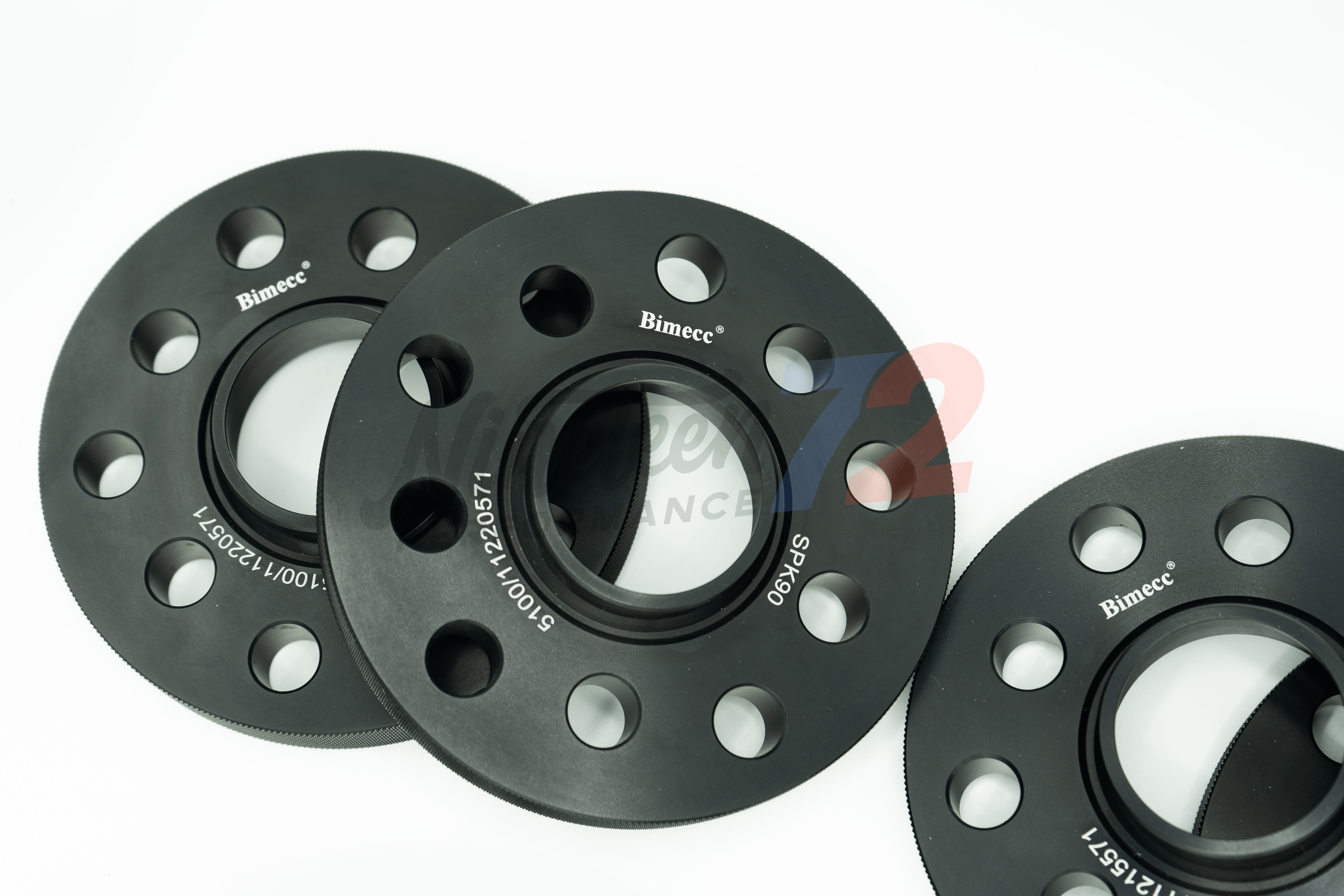
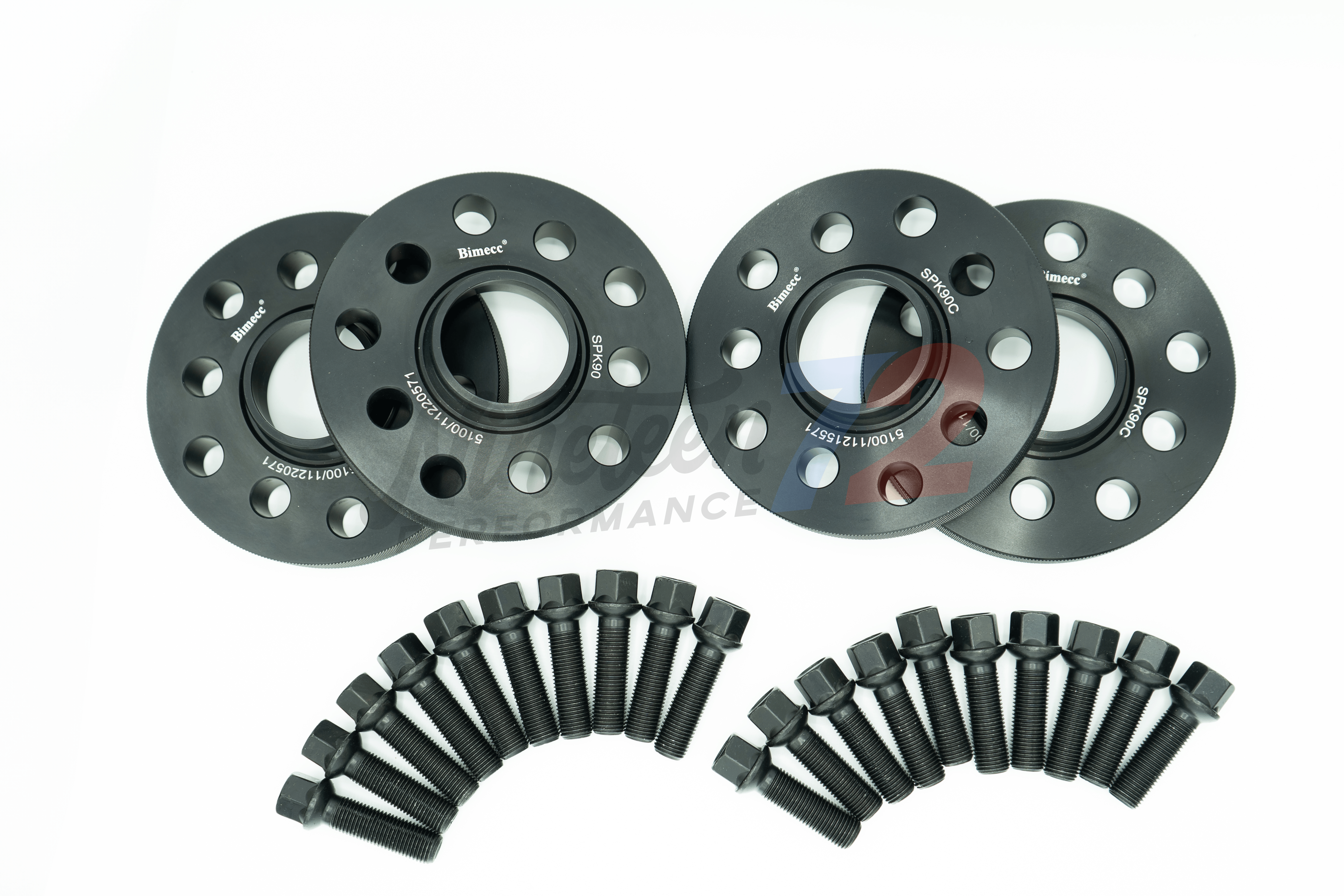
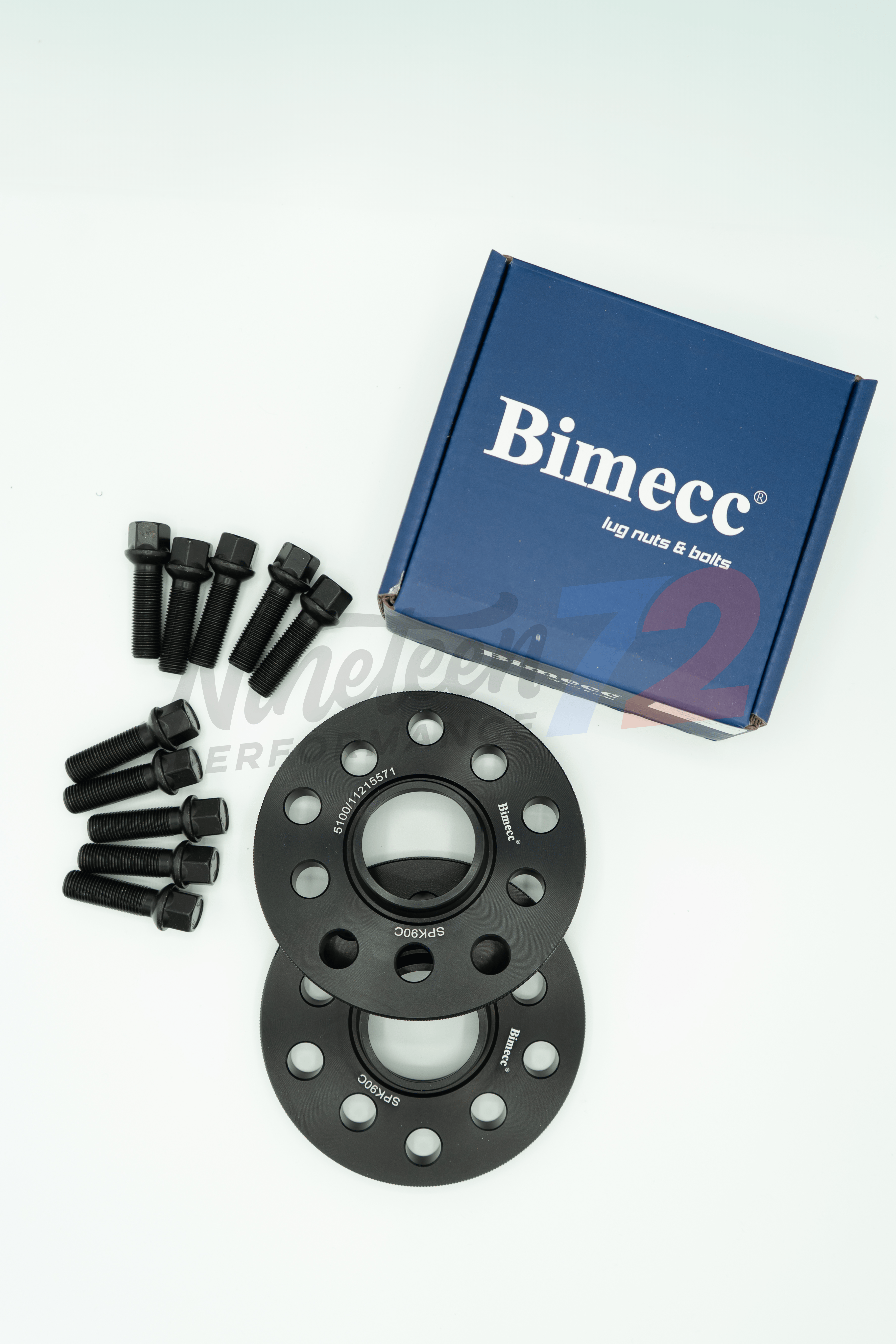
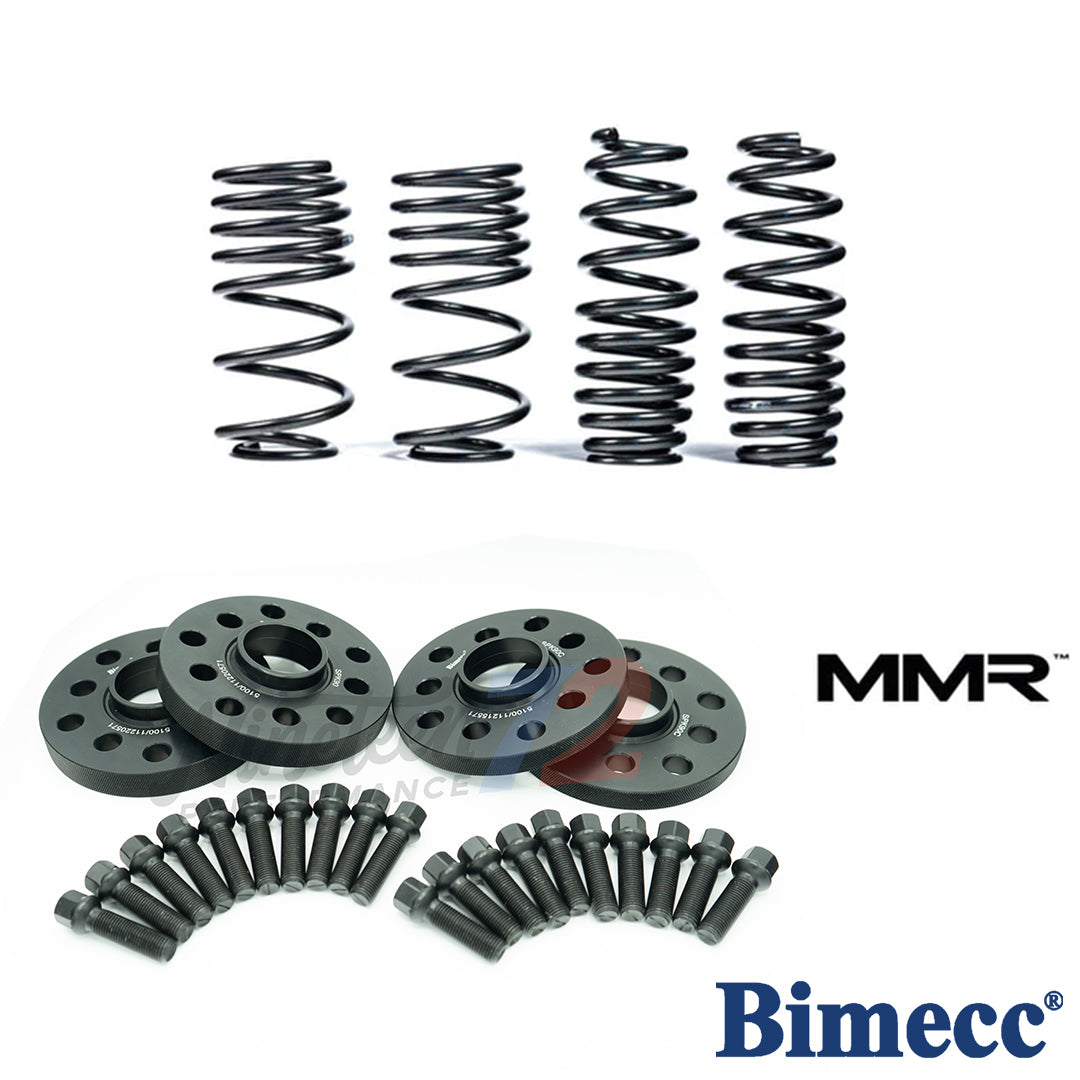
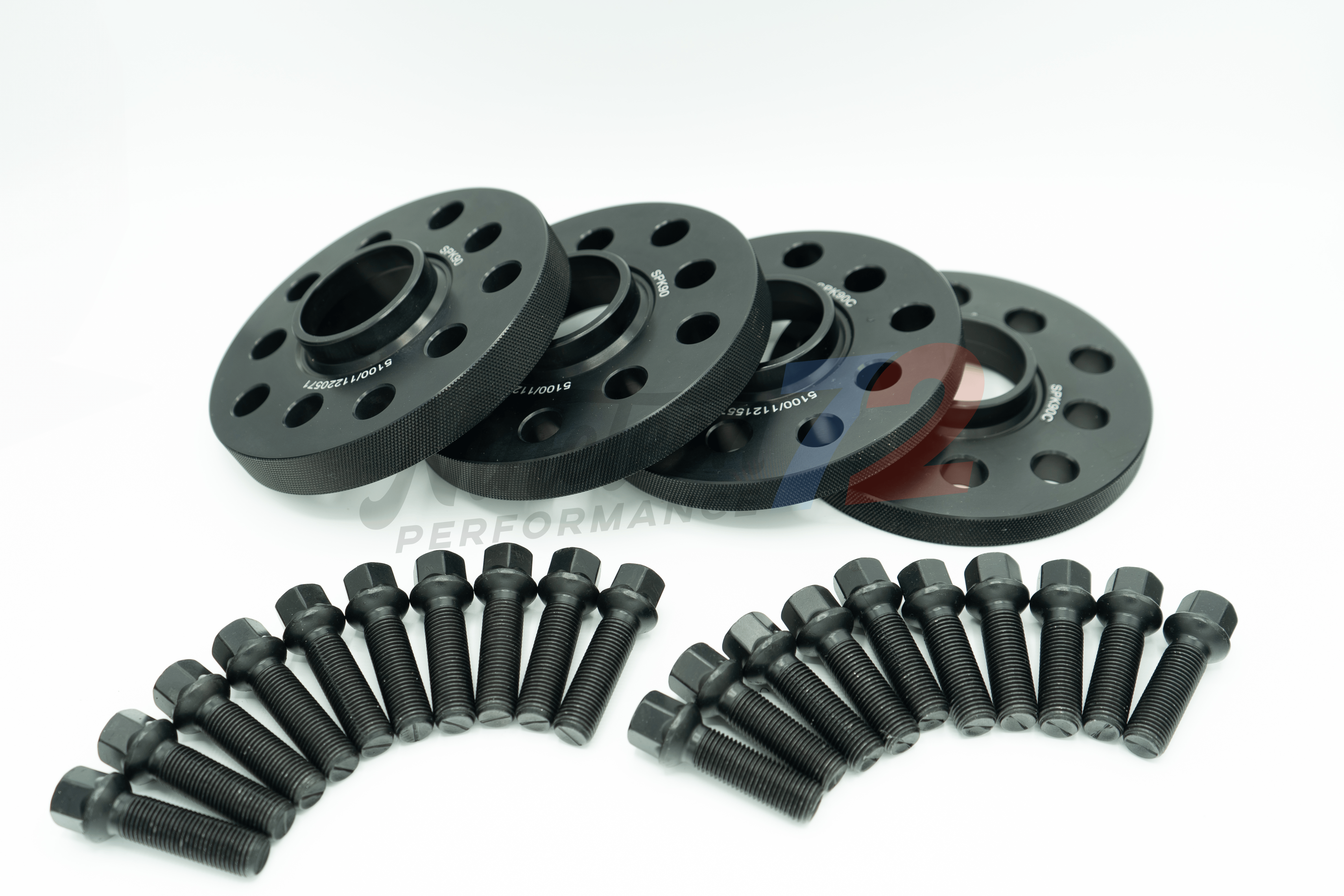
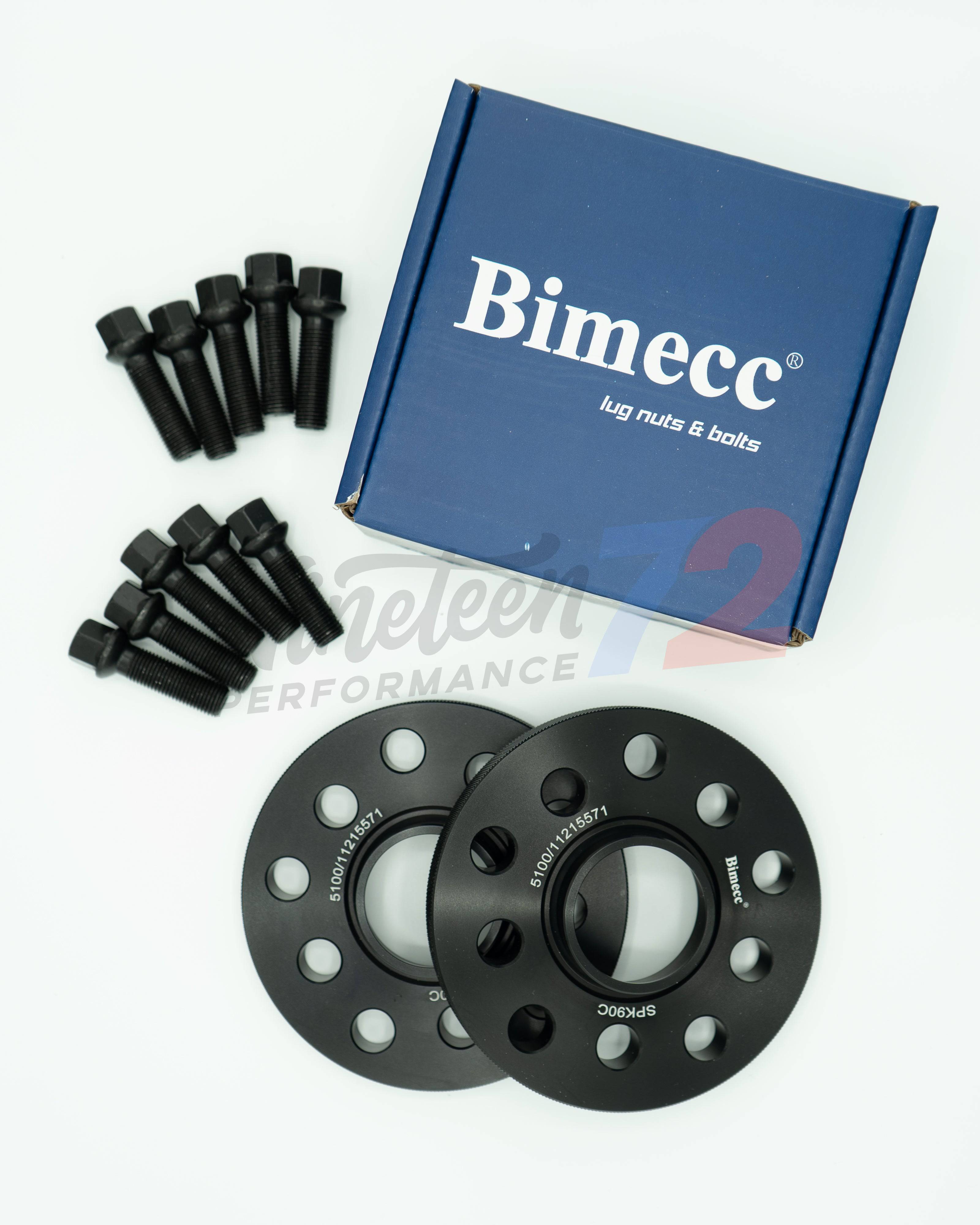
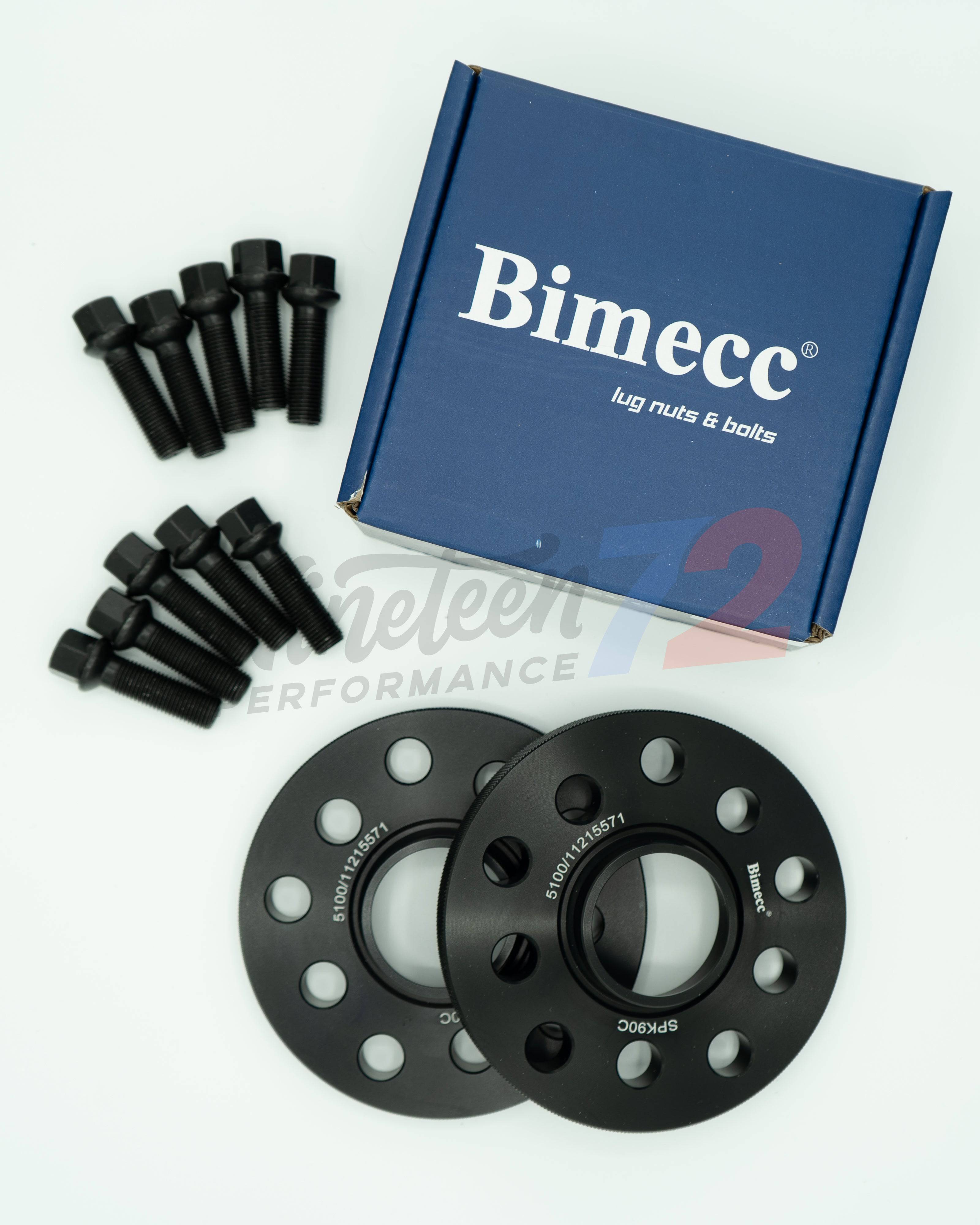
Bimecc wheel spacers are designed to help bring the wheels closer to the arches, giving the car a more aggressive and purposeful look while maintaining correct fitment when installed with the right hardware. Available in a range of sizes, they’re a popular upgrade for customers running aftermarket wheels, lowered suspension or wider track setups.
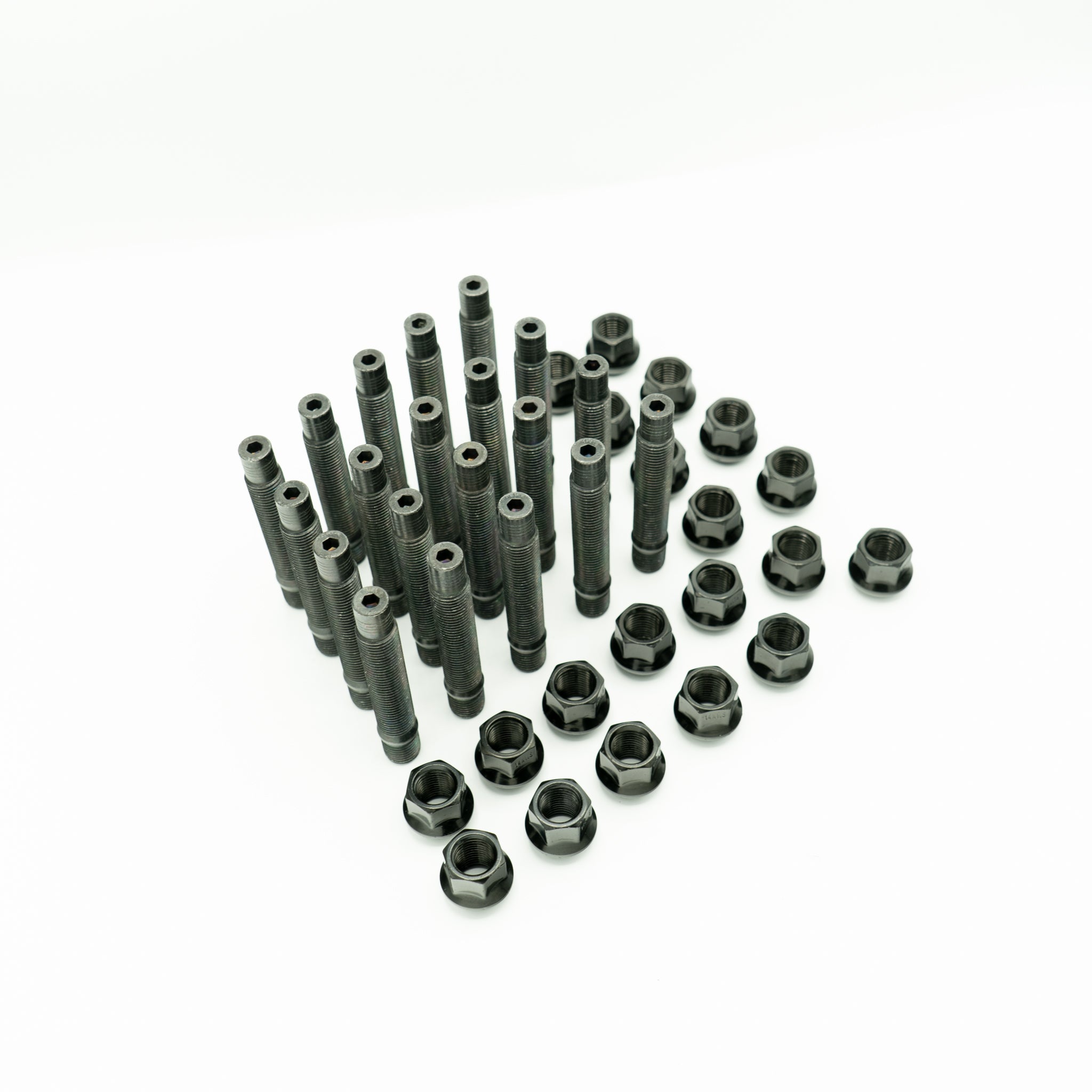
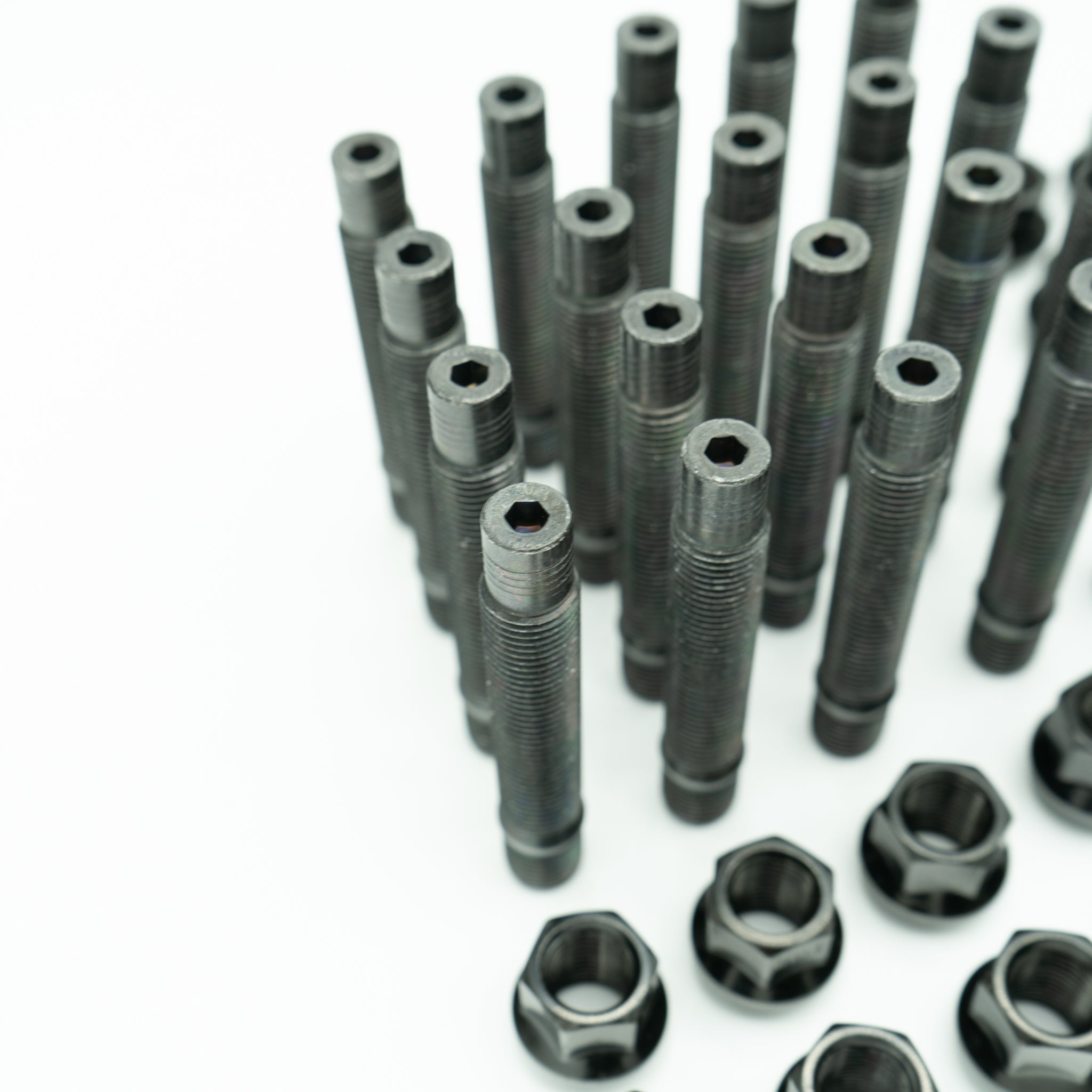
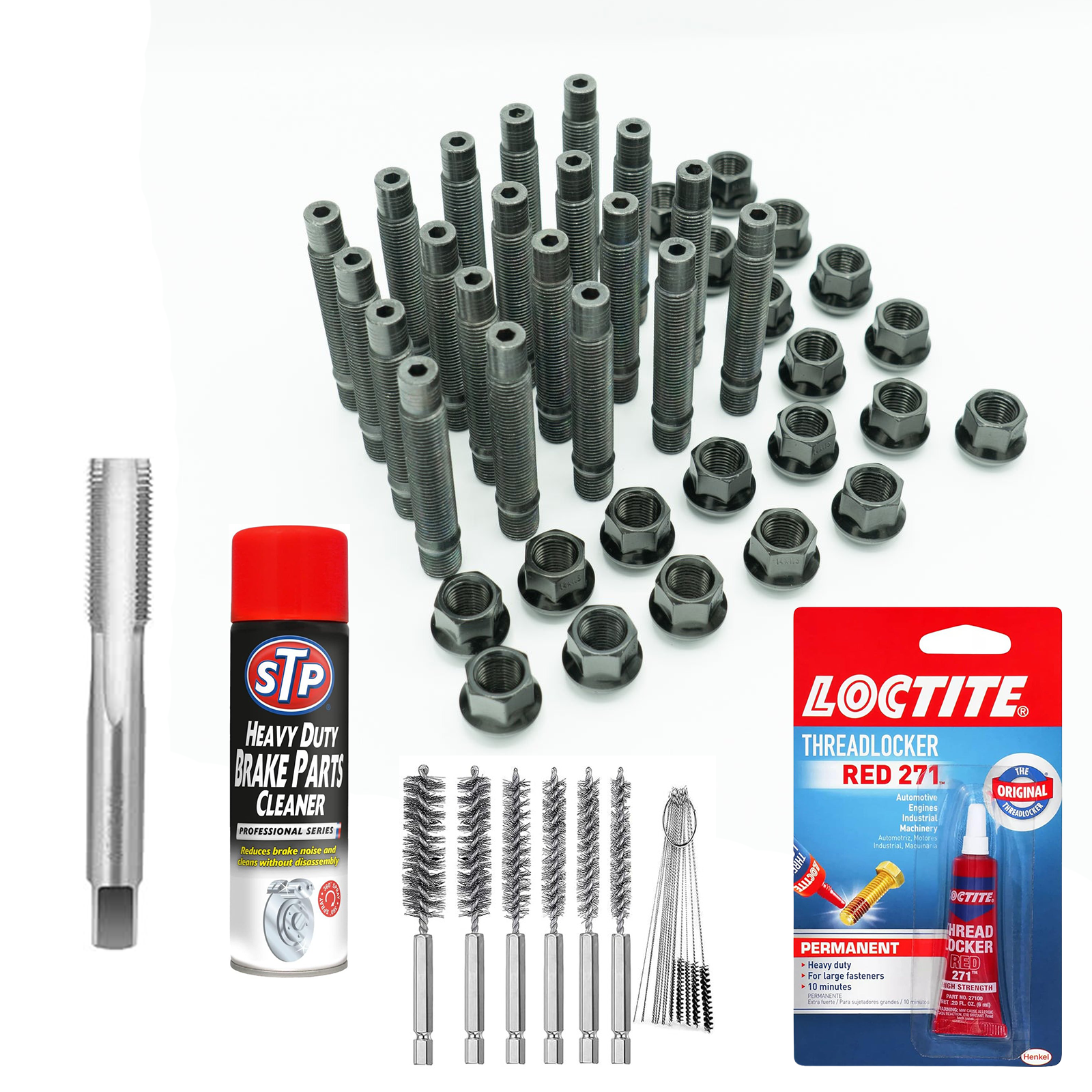
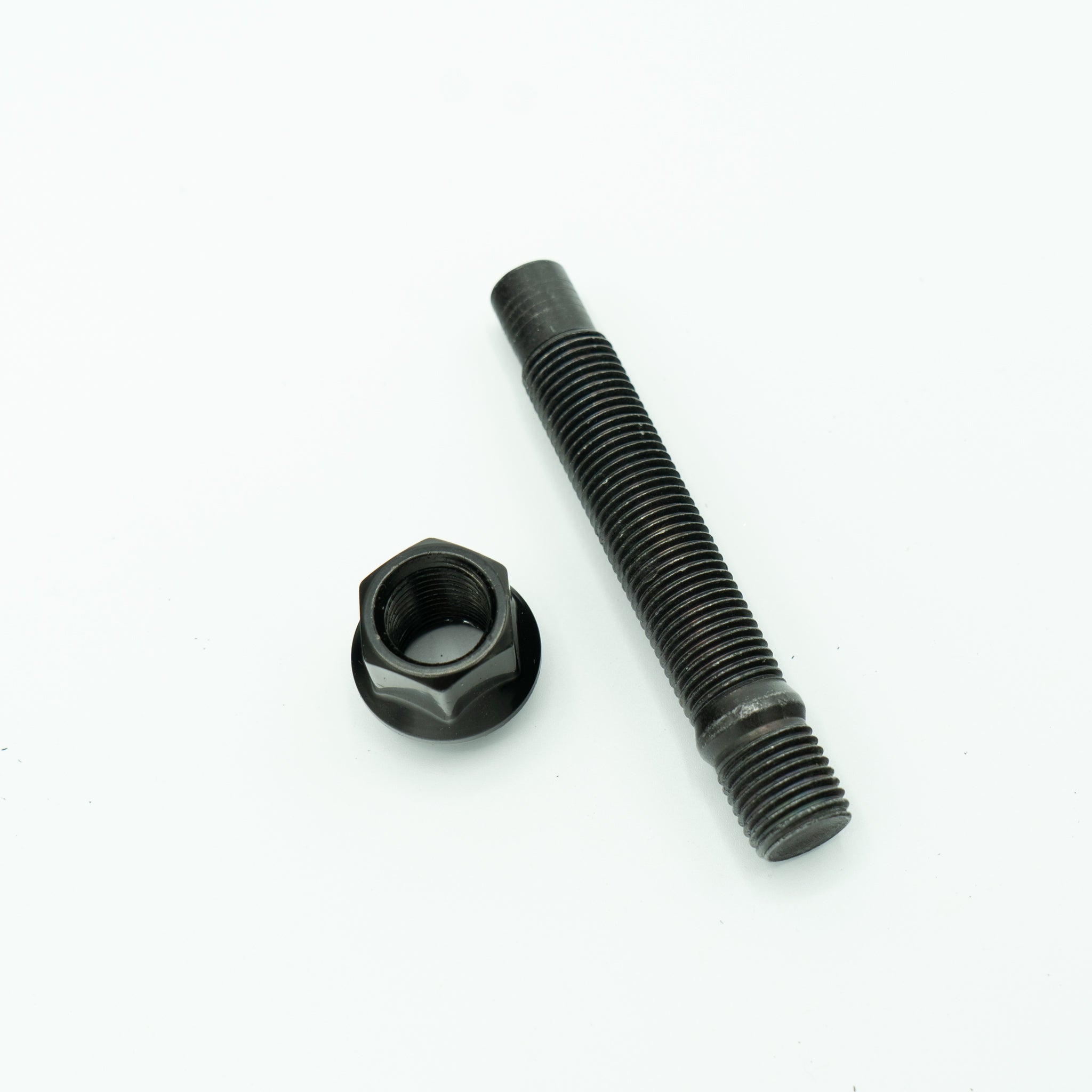
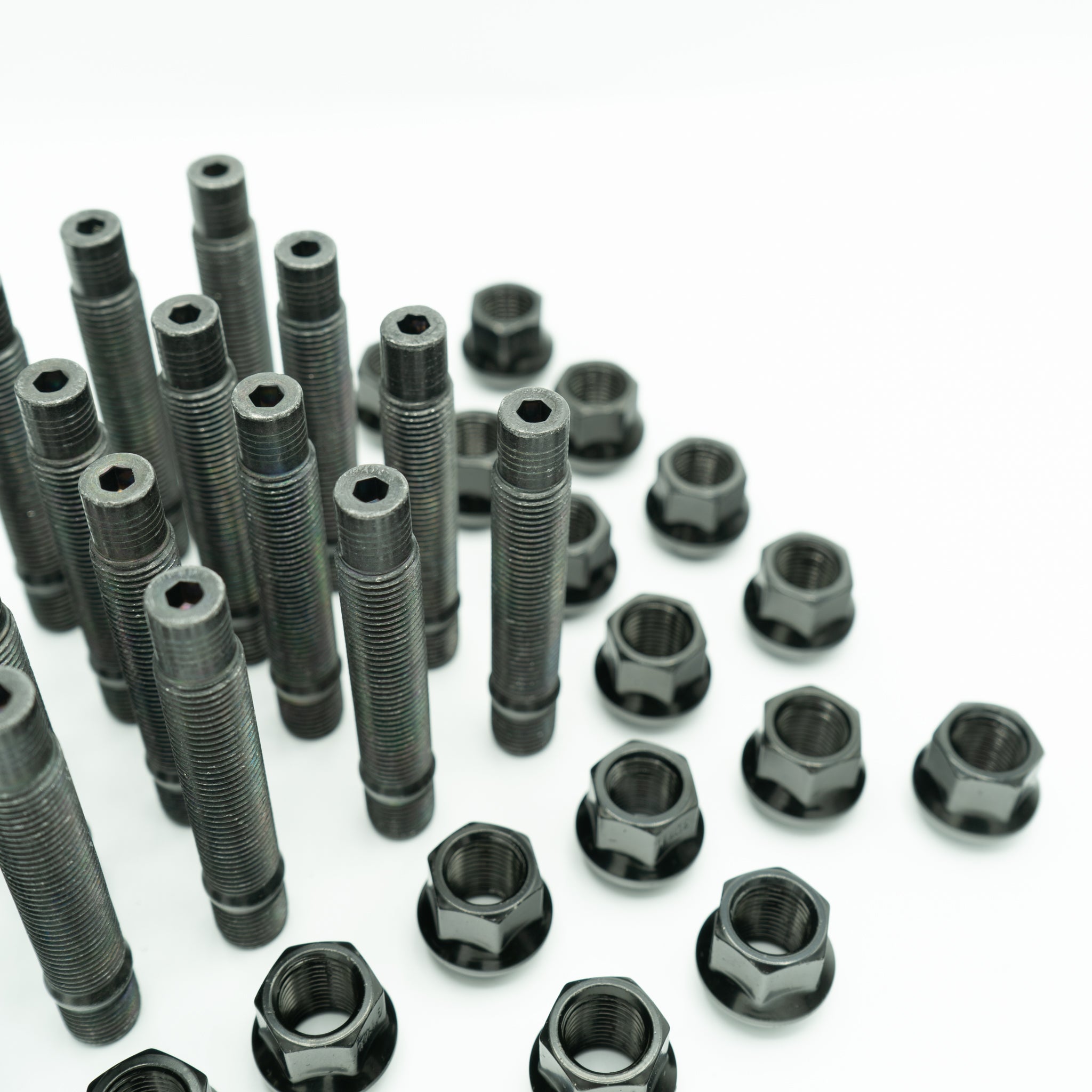
For drivers who remove their wheels regularly, Bimecc stud conversion kits are a practical upgrade. By converting from wheel bolts to studs and nuts, wheel changes become quicker, easier and more secure — especially useful for track days, brake maintenance, wheel swaps and spacer setups.
At Nineteen72 Performance, we supply a range of Bimecc wheel spacers, stud kits and fitting hardware to suit popular performance platforms including BMW, Audi, Volkswagen, Porsche and more. If you’re unsure which spacer size, bolt length or stud kit you need, get in touch and we’ll help you choose the correct setup for your vehicle.
Bimecc FAQ's
Bimecc is a popular choice for wheel fitment upgrades, especially for customers looking to improve stance, fit spacers correctly or convert from wheel bolts to a stud and nut setup. Whether you’re building a cleaner road car, a fast road setup or something that sees regular track use, Bimecc parts are a solid option when you want the correct fitment and hardware rather than cheap universal alternatives.
From hub-centric wheel spacers to stud conversion kits, Bimecc products are commonly used on BMW, Audi, Volkswagen, Porsche and other performance platforms where wheel fitment, brake clearance and ease of wheel changes matter. Below, we’ve answered some of the most common questions we get about Bimecc, including spacer safety, bolt length, stud kits, track use and choosing the right setup.
What size wheel spacers do I need?
The correct spacer size depends on your vehicle, wheel width, wheel offset, tyre size, ride height and how aggressive you want the fitment to be. We’d always recommend measuring properly rather than guessing, as the same spacer size can look completely different from one car to another.
The easiest way to measure is to check the gap between the outer edge of your tyre and the inside edge of the wheel arch.
To do this, park the car on flat ground with the wheels pointing straight ahead. Place a straight edge, spirit level or ruler vertically against the outer edge of the arch so it drops down past the wheel. Then measure from the outer face of the tyre or wheel to the straight edge. This measurement gives you an idea of how much room you have before the wheel sits flush with the arch.
For example, if you measure roughly 15mm from the tyre to the arch, a 12mm or 15mm spacer may be suitable depending on how flush you want the fitment. We’d usually recommend leaving a little bit of clearance rather than going right to the maximum measurement, especially if the car is lowered or driven hard.
You also need to check clearance when the suspension compresses. A wheel might look fine while the car is parked, but it can still rub under load, over bumps or during cornering. This is especially important if the car is lowered, running wider tyres or used on track.
As a rough guide:
- 5mm spacers are usually used for minor clearance or small fitment adjustments.
- 10mm spacers are good for a subtle improvement in stance.
- 12mm to 15mm spacers are popular for a more noticeable OEM+ look.
- 20mm and above gives a more aggressive fitment, but needs more care around arch clearance, tyre size and bolt/stud length.
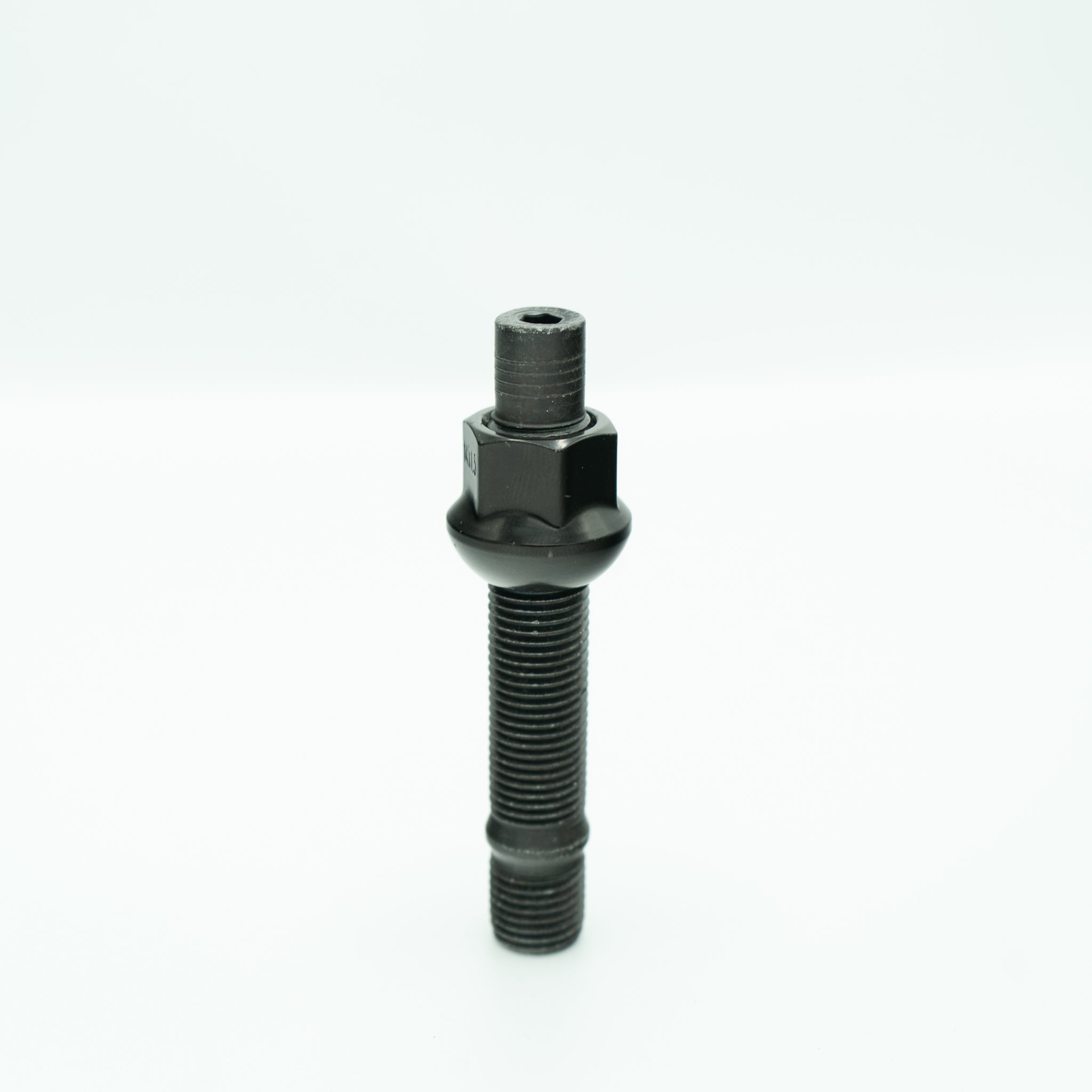
You’ll also need the correct hardware. Slip-on spacers usually require longer wheel bolts, matched to the thickness of the spacer. If you’re running a stud conversion kit, you’ll need to make sure the stud length suits the spacer size, wheel thickness and nut type.
If you’re unsure, send us your vehicle details, current wheel specs, tyre size, ride height and a photo from the front or rear looking down the side of the car. We can then help recommend a sensible spacer size rather than just guessing.
Are Bimecc wheel spacers safe?
Yes, Bimecc wheel spacers are safe when the correct type and size are fitted properly. We always recommend using hub-centric spacers, the right wheel bolts or stud kit, and making sure everything is torqued correctly. Most spacer issues come from cheap universal spacers, incorrect bolt length or poor fitting rather than the spacer itself.
Why fit Bimecc wheel spacers?
Most customers fit Bimecc wheel spacers to improve the stance of the car, bring the wheels closer to the arches or help fine-tune fitment after changing wheels, tyres or suspension. They can make a big visual difference, but it’s still important to choose a sensible size so you avoid rubbing or clearance issues.
What is a Bimecc stud conversion kit?
A Bimecc stud conversion kit changes the car from using wheel bolts to wheel studs and nuts. This makes wheel changes much easier because the wheel hangs on the studs first, instead of you having to hold the wheel in place while lining up the bolt holes. We usually recommend stud kits for track cars, cars that have the wheels removed regularly, or setups running spacers.
Do I need longer wheel bolts or a stud kit with Bimecc spacers?
If you’re fitting slip-on Bimecc wheel spacers, you’ll usually need longer wheel bolts to match the spacer thickness. Another option is to fit a Bimecc stud conversion kit, especially if you remove the wheels regularly or run spacers often. The key thing is making sure the bolt or stud length gives proper thread engagement without being too short or too long.
Can I use Bimecc stud kits with wheel spacers?
Yes, Bimecc stud kits can be used with wheel spacers, but you need to choose the correct stud length. The right length depends on the car, wheel thickness, spacer size and nut type. If you’re running larger spacers or swapping wheels for track days, a stud kit can make the whole setup much easier to live with.
Are Bimecc spacers and stud kits suitable for track use?
Yes, provided they’re fitted correctly and checked regularly. For track use, we’d always recommend using quality hub-centric spacers, correct hardware and checking wheel torque before and after sessions. A Bimecc stud kit can also be a useful upgrade for track cars because it makes wheel changes quicker, easier and more consistent.
Filtres
40 produits