

2 Roues forgées
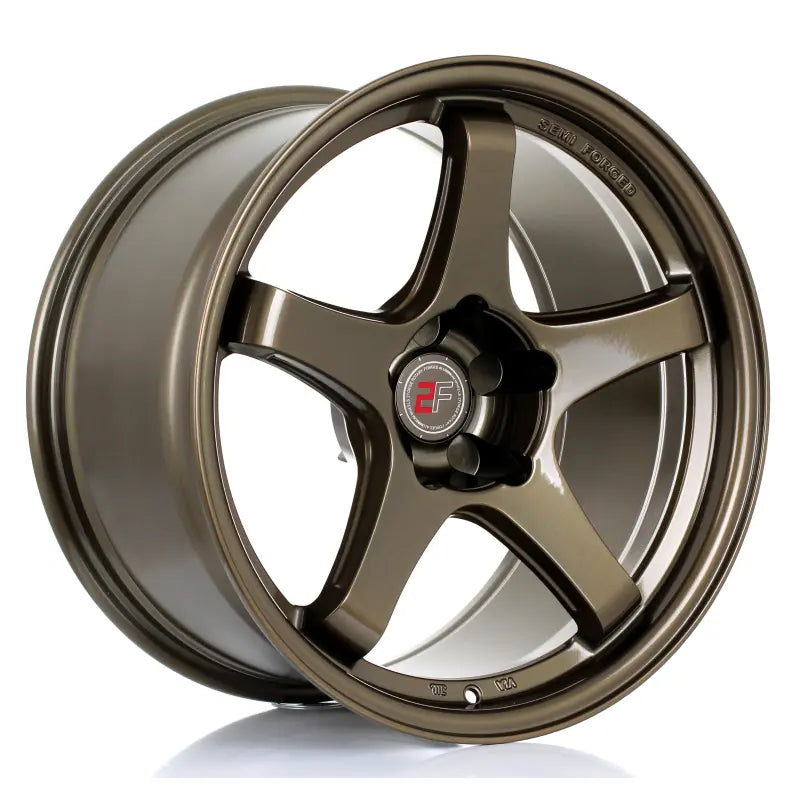
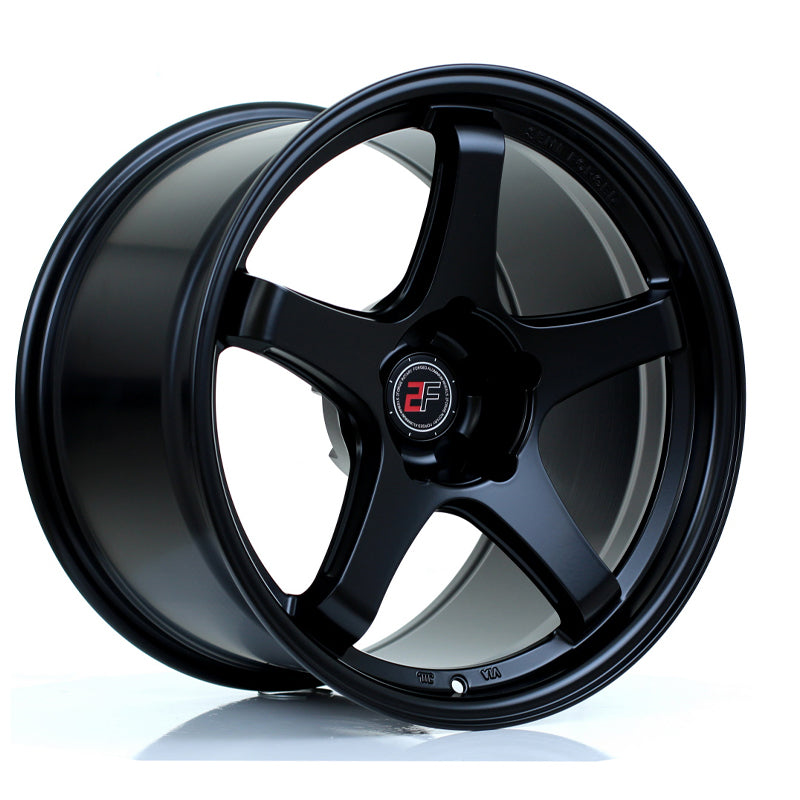
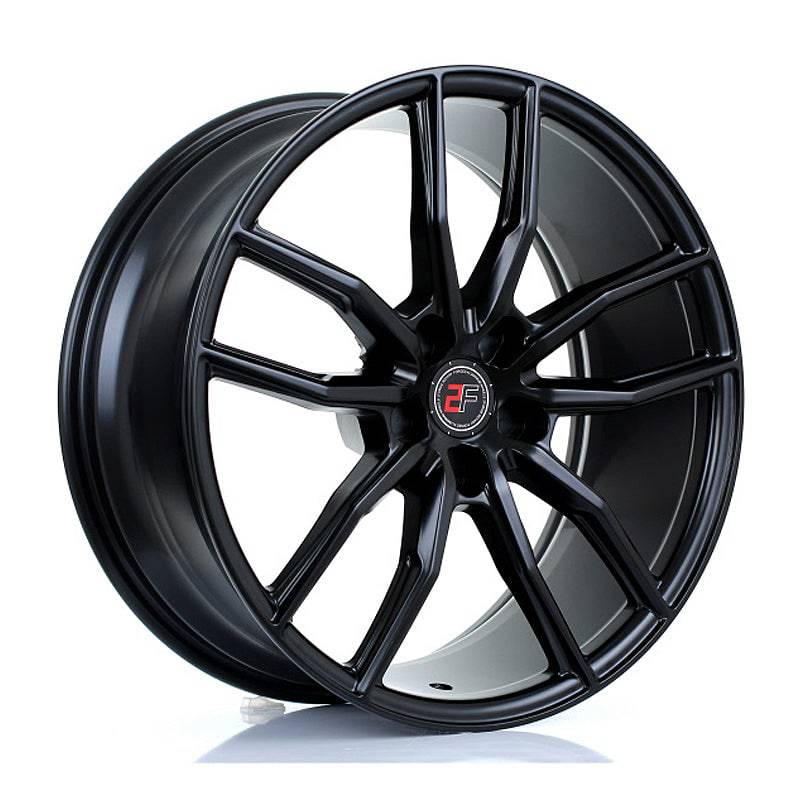
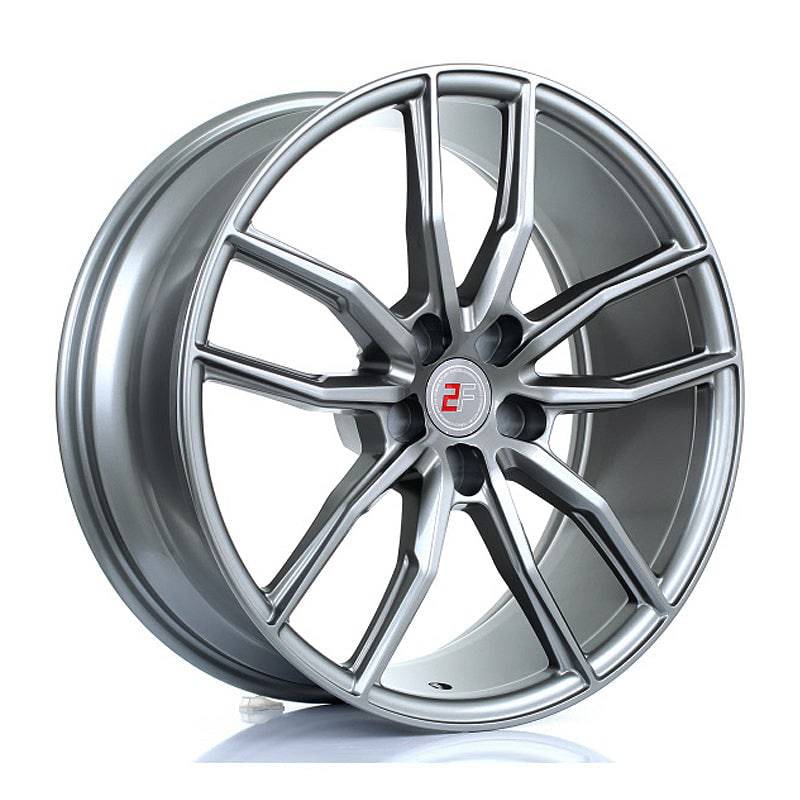
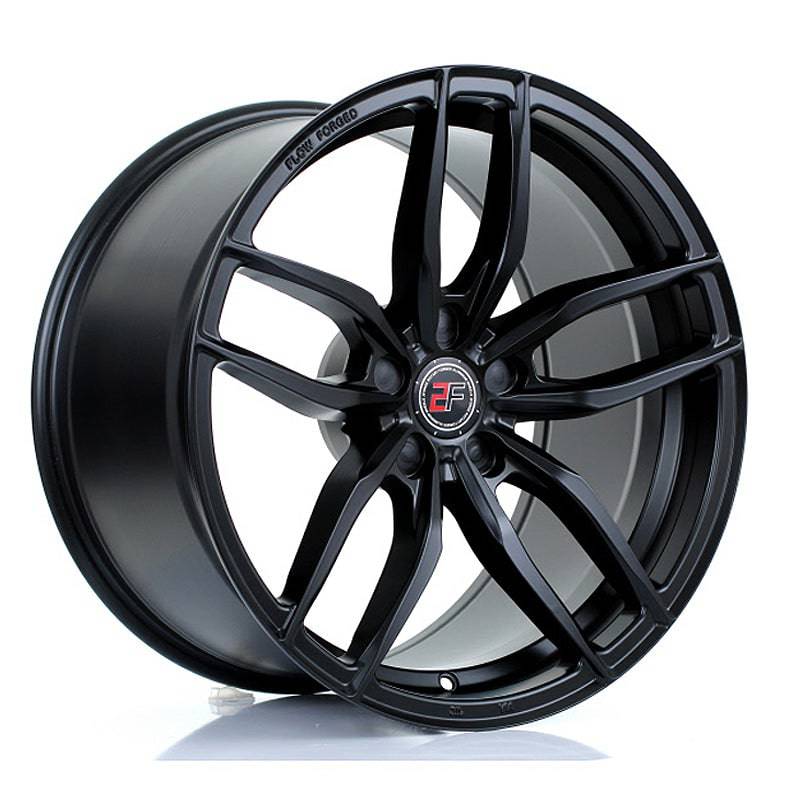
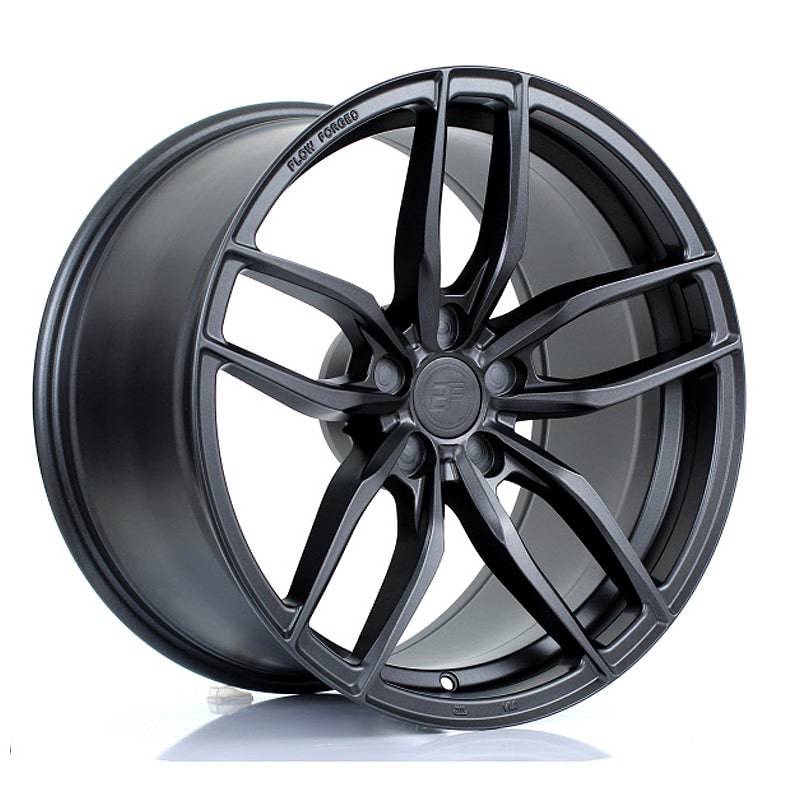
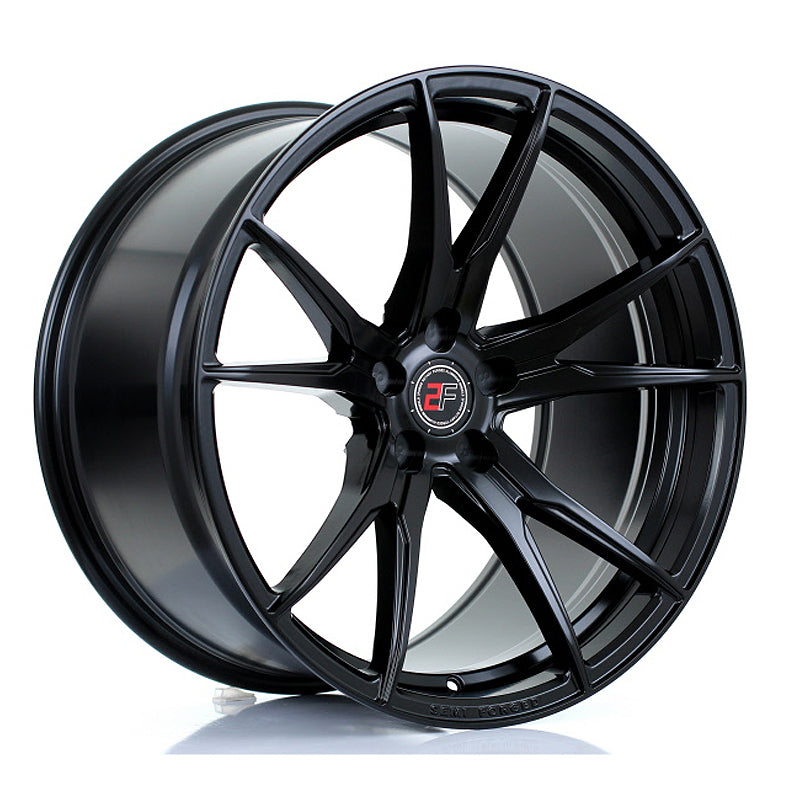
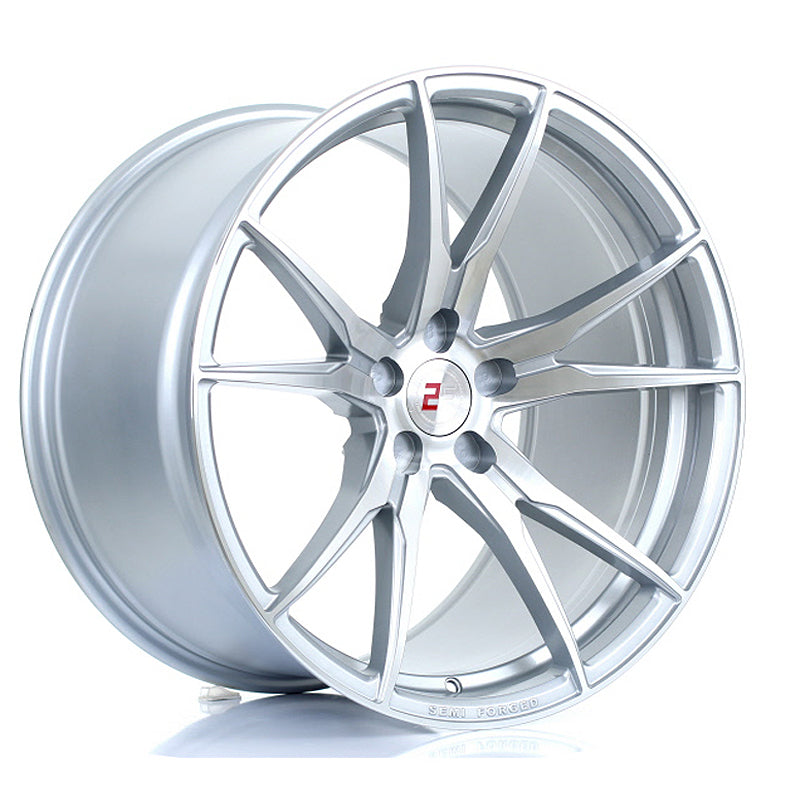
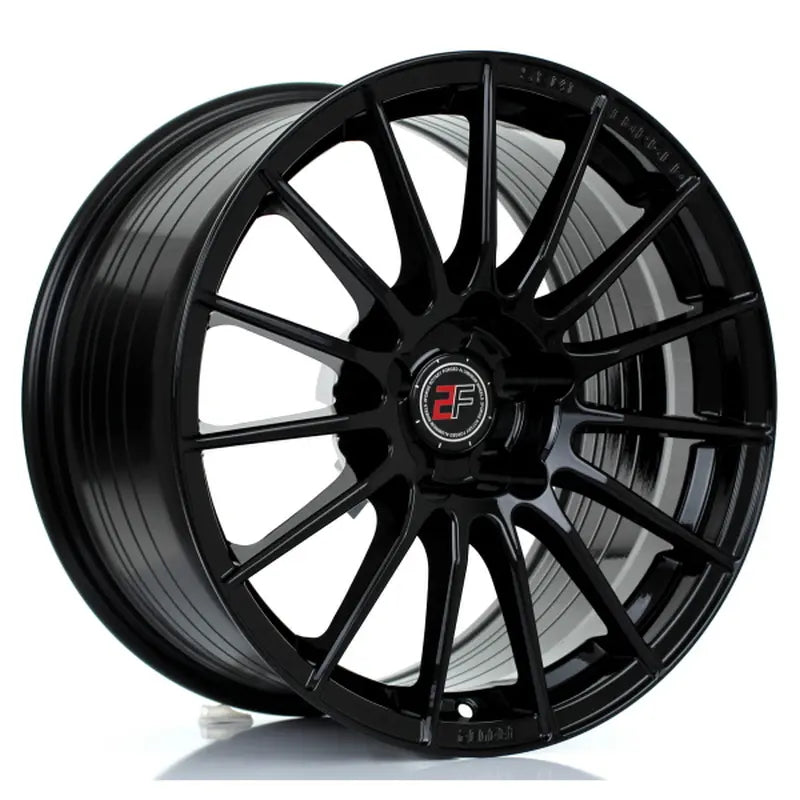
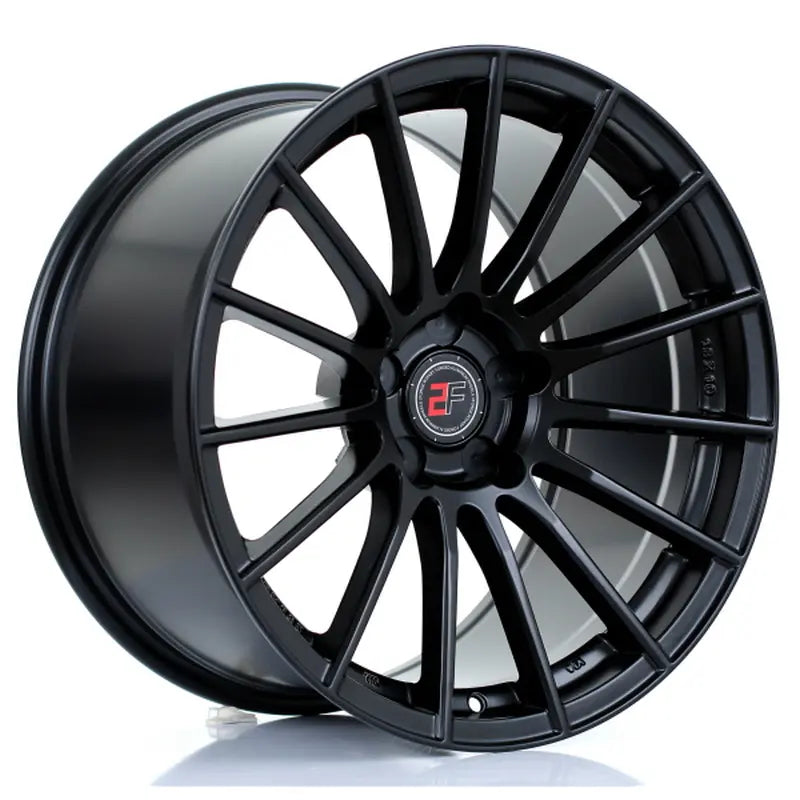
Améliorez votre voiture avec les jantes 2Forge de Nineteen72 Performance. Reconnues pour leur légèreté et leurs options de montage sur mesure, les jantes 2Forge offrent l'équilibre parfait entre robustesse, style et performance. Que vous souhaitiez un look plus agressif pour la route ou une configuration fiable pour la piste, explorez une large gamme de finitions et de tailles conçues pour s'adapter aux BMW et autres voitures de performance.
2FORGE ENGINEERED FOR PURPOSE
Every 2Forge wheel is designed with performance at its core — balancing strength, weight, and fitment for real-world driving and track use.
JWL - VIA Certified.
Lightweight without sacrificing strength.
Built for aggressive brake clearance.
40+ Years of fitment experience.
Every single wheel custom machined to suit.
Independantly tested and validated.
2 Forge Questions Answered
2Forge wheels are a strong option for drivers who want lightweight, aggressive-looking wheels without going straight into ultra-premium forged motorsport money. With flow-forged designs like the ZF1, ZF2 and ZF8, plus fully forged options including the ZF8-R and Aero Forged Series, 2Forge offer wheels for everything from clean road builds to more focused fast road and track setups.
One of the big benefits of 2Forge is fitment. Their wheels are designed around performance use, brake clearance and proper vehicle-specific machining, making them a popular choice for BMW M cars, Audi S/RS models, Volkswagen GTI/R, Toyota GR platforms and other modern performance cars. Below, we’ve answered some of the most common questions we get about 2Forge wheels, including fitment, strength, forged options, track use and choosing the right setup.
What is 2FORGE?
2Forge is a UK-based alloy wheel manufacturer specialising in performance-focused wheels for road and track use. Each wheel is built to order and engineered with a focus on strength, weight reduction, and precise vehicle fitment.
What makes 2Forge different from other wheel brands?
Unlike off-the-shelf wheel brands, every 2Forge wheel is built to order and tailored to the customer’s vehicle. This allows for precise fitment, improved performance, and greater flexibility in sizes, offsets, and finishes.
Are 2Forge wheels made in the UK?
2Forge wheels are designed, engineered and manufactured in the UK, with a strong focus on precision, quality control, and performance-driven development.
Are 2Forge wheels built to order?
Yes. Every 2Forge wheel is built to order, meaning it is manufactured specifically for your vehicle requirements rather than taken from pre-made stock.
What does “custom machined to suit” mean?
Each wheel is machined to match the exact specifications of your vehicle, including correct offsets, widths, and fitment requirements. This ensures optimal performance, clearance, and overall fit.
What level of engineering goes into 2Forge wheels?
2Forge wheels are developed with a strong focus on engineering precision, structural integrity, and real-world performance. Designs are created to balance strength and weight while maintaining durability under demanding conditions.
Are 2Forge wheels suitable for track use?
Yes. 2Forge wheels are engineered for both fast road and track environments, with a focus on strength, heat resistance, and consistent performance under load.
Do you provide fitment specific to my vehicle?
Yes. Every order is tailored to your vehicle, ensuring correct fitment without the need for guesswork or unnecessary modifications.
Can I customise wheel sizes and offsets?
Yes. 2Forge offers flexibility in sizing and offsets, allowing wheels to be tailored to your specific build and requirements.
Do I need spacers with 2Forge wheels?
In most cases, no. Because each wheel is machined to suit your vehicle, fitment is optimised to avoid the need for spacers.
Are your wheels direct fit?
Yes. All 2Forge wheels are designed to be direct fit for your vehicle when specified correctly.
What finishes are available?
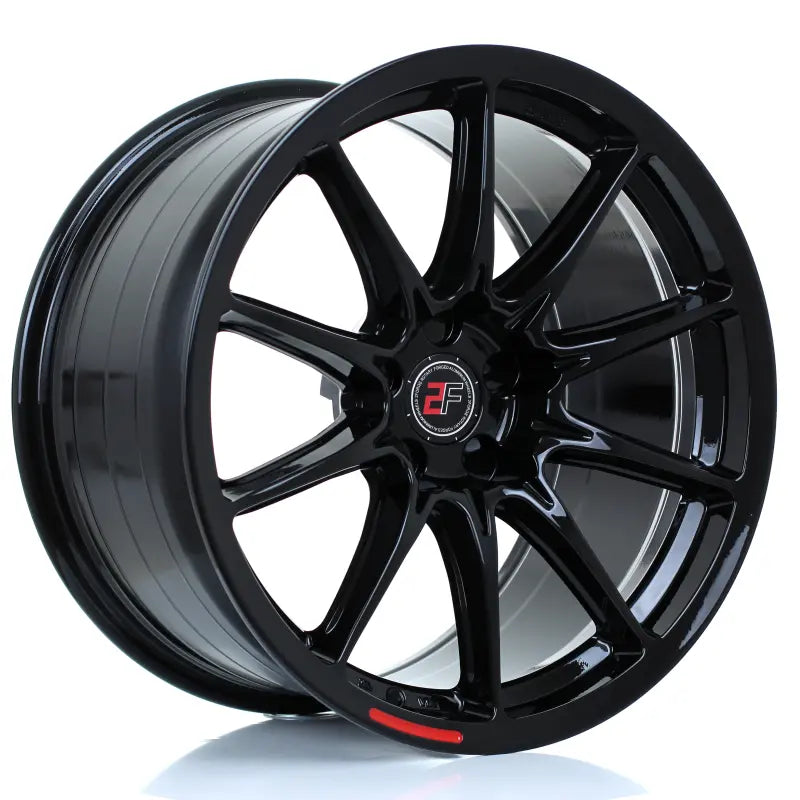
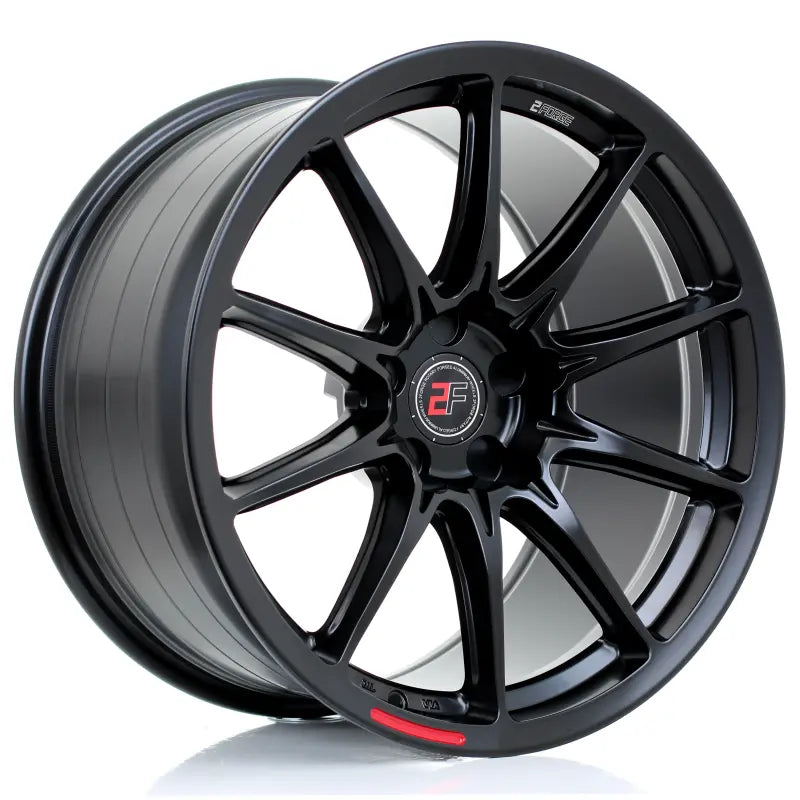
2Forge offers a wide range of finishes including Gloss & Matt Black, Bronze, Gunmetal, Silver, White and Gold. We also offer custom finishes depending on the model and specification.
How long does it take to receive my wheels?
As all wheels are built to order, lead times may vary depending on specification and demand. This ensures each set is manufactured to the correct standard and fitment.
Why are 2Forge wheels built to order instead of stocked?
Building wheels to order allows for greater flexibility, improved fitment accuracy, and higher quality control compared to mass-produced stock wheels.
Filtres
12 produits
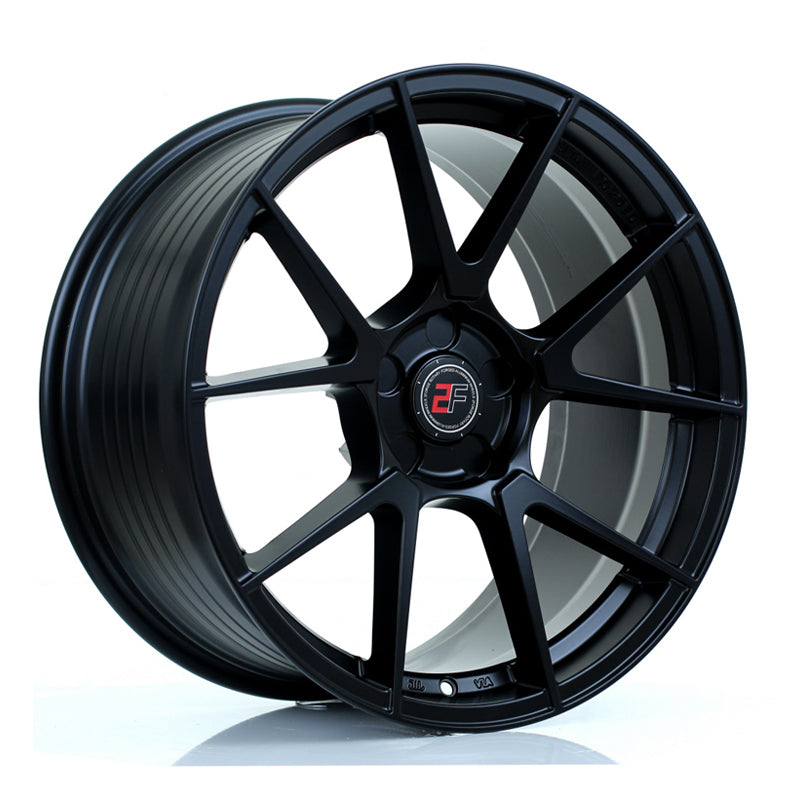
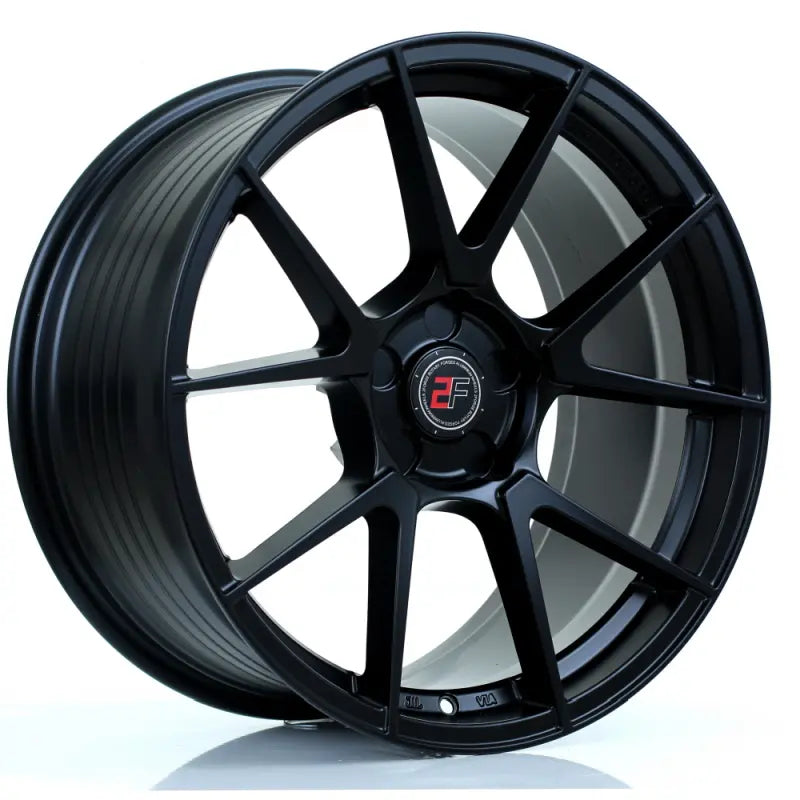
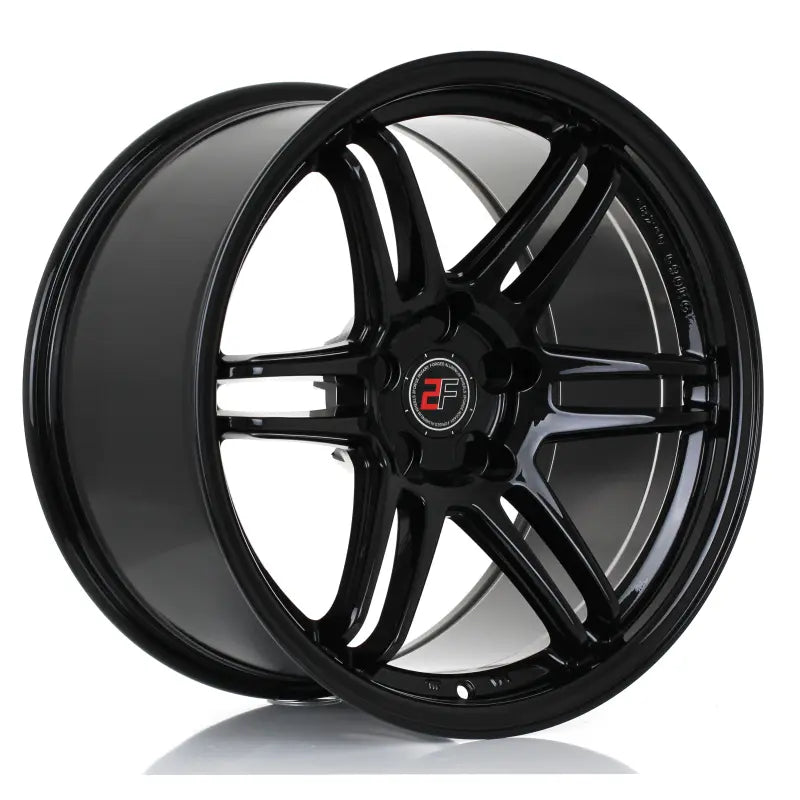
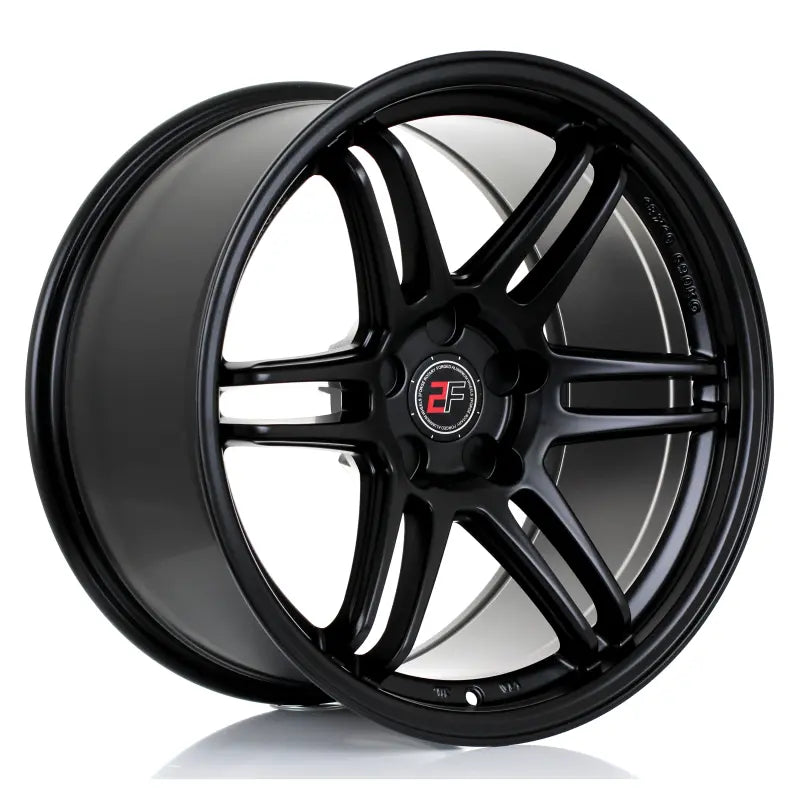
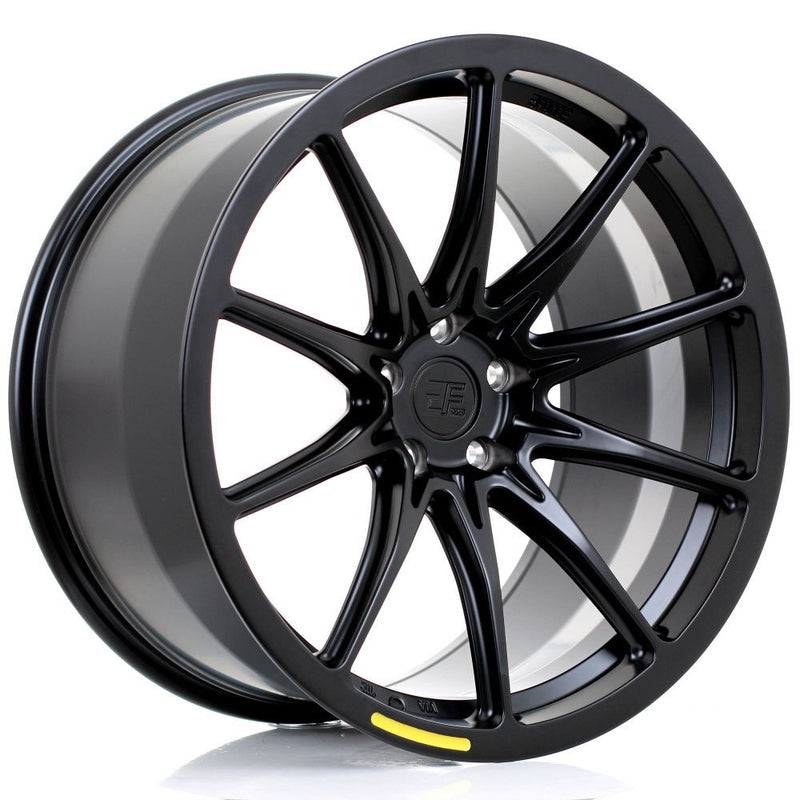
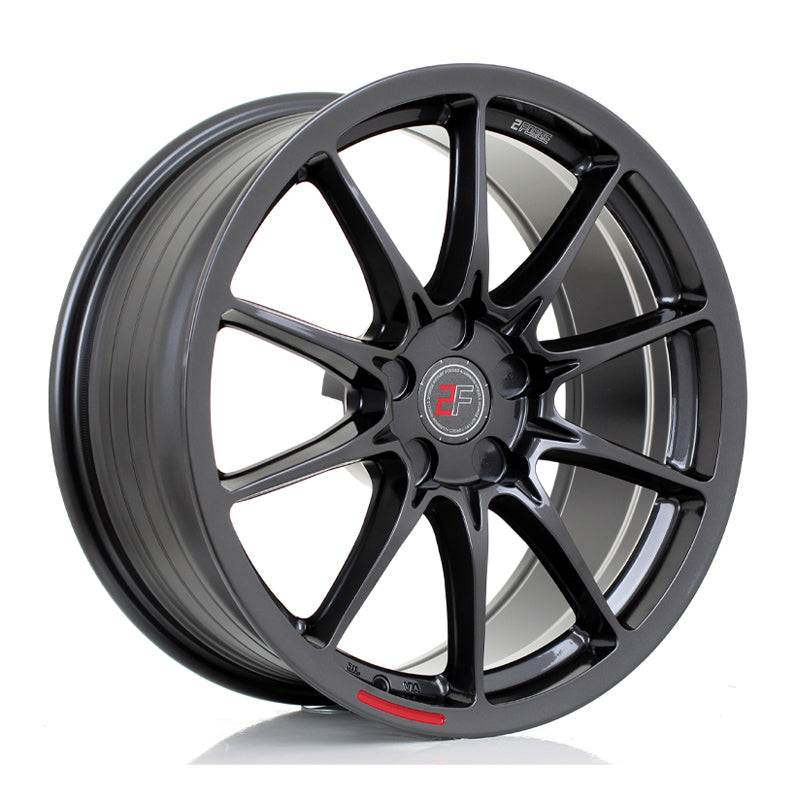
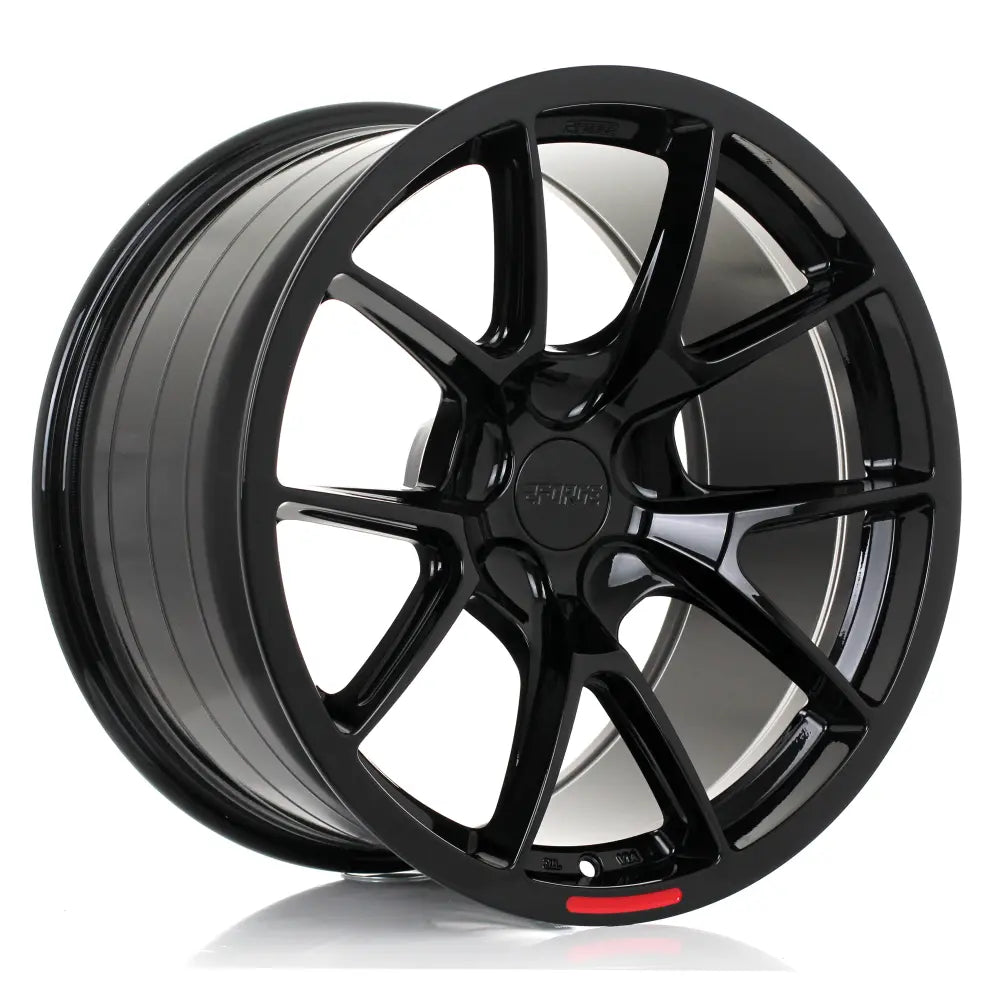
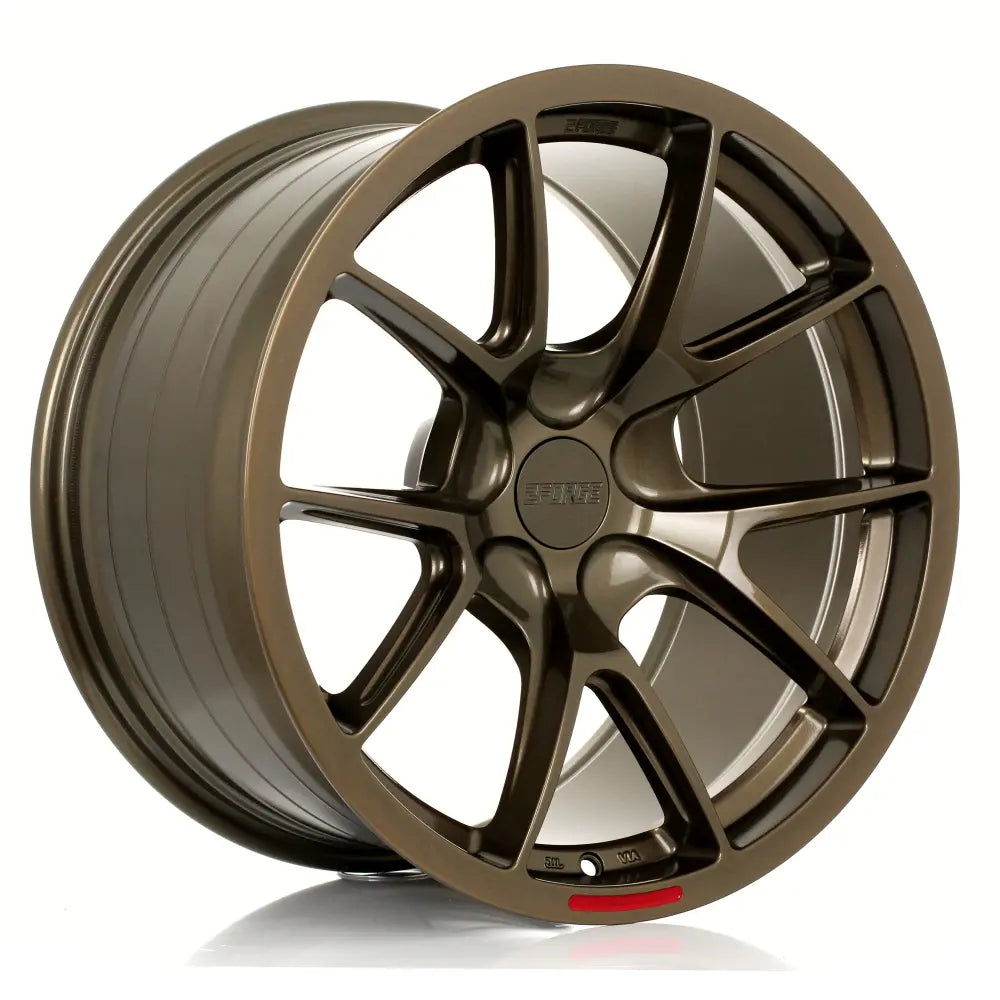
12 couleurs
Endless Brake Pads FAQs
Not sure which Endless brake pad compound to choose? These are the questions we get asked most often about Endless pads, including MX72 Plus, ME22 and fitments for popular BMW models such as the M140i and M2 with 2NH calipers.
Which Endless brake pad compound should I choose?
The right Endless compound depends on how you use the car. For fast road and occasional track day use, MX72 Plus is usually a strong starting point. Endless lists MX72 Plus as suitable for both street driving and track days, with a 50–750°C heat range. For more committed track use, ME22 offers a higher 150–800°C heat range and is listed for race cars and street/trackday cars. For dedicated motorsport use, compounds such as N35S may be more suitable.
Are Endless brake pads good for road use?
Yes, selected Endless compounds are suitable for road use, but the compound choice matters. MX72 Plus is the most relevant option for fast road and mixed road/track use, as Endless lists it under street use and describes it as suitable for street driving and track days. More track-focused compounds may introduce extra noise, dust and low-speed compromise depending on the car and setup.
Are Endless MX72 Plus pads good for track days?
Yes. Endless offers several compounds suited to track day use. MX72 Plus is suitable for street and track day use, while ME22 is a better option where higher brake temperatures are expected. For dedicated race or rally use, Endless offers more motorsport-focused compounds such as N35S.
What is the difference between Endless MX72 Plus and ME22?
MX72 Plus is the more road-biased street/track day compound, with a listed friction range of 0.39–0.47μ and a 50–750°C heat range. ME22 is a more track-focused compound with a lower listed friction range of 0.33–0.38μ but a higher 150–800°C heat range. In simple terms, MX72 Plus is usually the better choice for mixed road and occasional track use, while ME22 makes more sense for harder or more regular circuit driving.
Do Endless brake pads need bedding in?
Yes. Endless brake pads should be bedded in correctly. Endless’ own competition pad bedding guidance advises checking the discs first, cleaning away old compound residue where needed, then carrying out a controlled bedding cycle before full use. Correct bedding helps the pad and disc work together properly and supports consistent performance.
Are Endless brake pads noisy?
Any performance brake pad can produce some noise depending on the compound, caliper design, disc condition, bedding-in and how the car is used. Road-biased compounds such as MX72 Plus are generally the more sensible choice for mixed road use, while more track-focused compounds may be more likely to make noise at low speeds.
Do Endless brake pads produce a lot of dust?
Dust levels depend on the compound, vehicle and driving style. As a general rule, higher-performance brake pads can produce more dust than a standard road pad. This is part of the trade-off for stronger braking performance, better pedal feel and improved consistency under harder use.
Can I use Endless pads with standard brake discs?
In most cases, yes, provided the discs are in good condition and suitable for the compound being fitted. Endless’ bedding guidance specifically says the discs should be checked for cracks or damage, and old compound residue should be cleaned away where needed. For track use, we would also recommend checking brake fluid, disc condition and overall brake system health before fitting upgraded pads.
Should I upgrade brake fluid when fitting Endless pads?
If the car is being used hard on the road or on track, yes. Upgraded pads can handle more heat, but old or low-performance brake fluid can still become the weak point. For track use, we recommend pairing Endless pads with a high-performance brake fluid such as Motul RBF660 or Motul RBF700.
Are Endless brake pads worth the money?
Yes, if you are looking for better braking performance, pedal feel and consistency than a standard road pad can offer. Endless pads are premium products, so the value comes from choosing the right compound for how you actually use the car. For fast road and occasional track use, MX72 Plus is usually the most sensible starting point. For harder track use, ME22 or a more motorsport-focused compound may be the better choice.